A | As Massoud walked down a Kabul street one cold Sunday morning, looking for a day job to feed his family, pickup trucks full of armed Taliban members stopped in front of him. He told CBS News the men aimed their AK-47s at him, he was handcuffed, blindfolded and taken to an office of the Taliban's General Directorate of Intelligence.For more than a month, Massoud's family had no idea where he was. They searched everywhere, including hospitals, until they arrived at the Taliban's intelligence department. "After six weeks of searching, they found me at the Taliban's 040 intelligence department," Massoud told CBS News in a phone interview. He said during the first 15 days of his imprisonment, he was "beaten, struck with electric shock sticks, electrocuted, waterboarded and hanged upside down."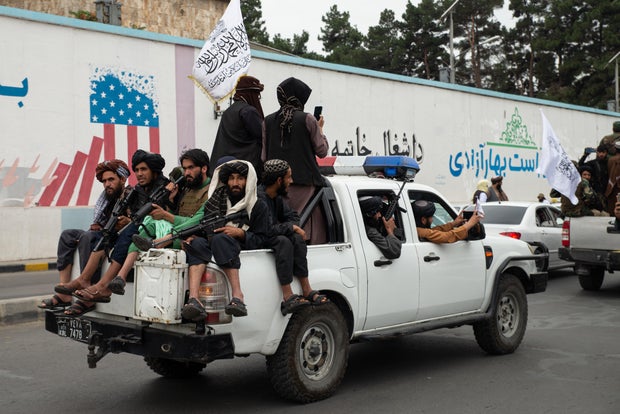

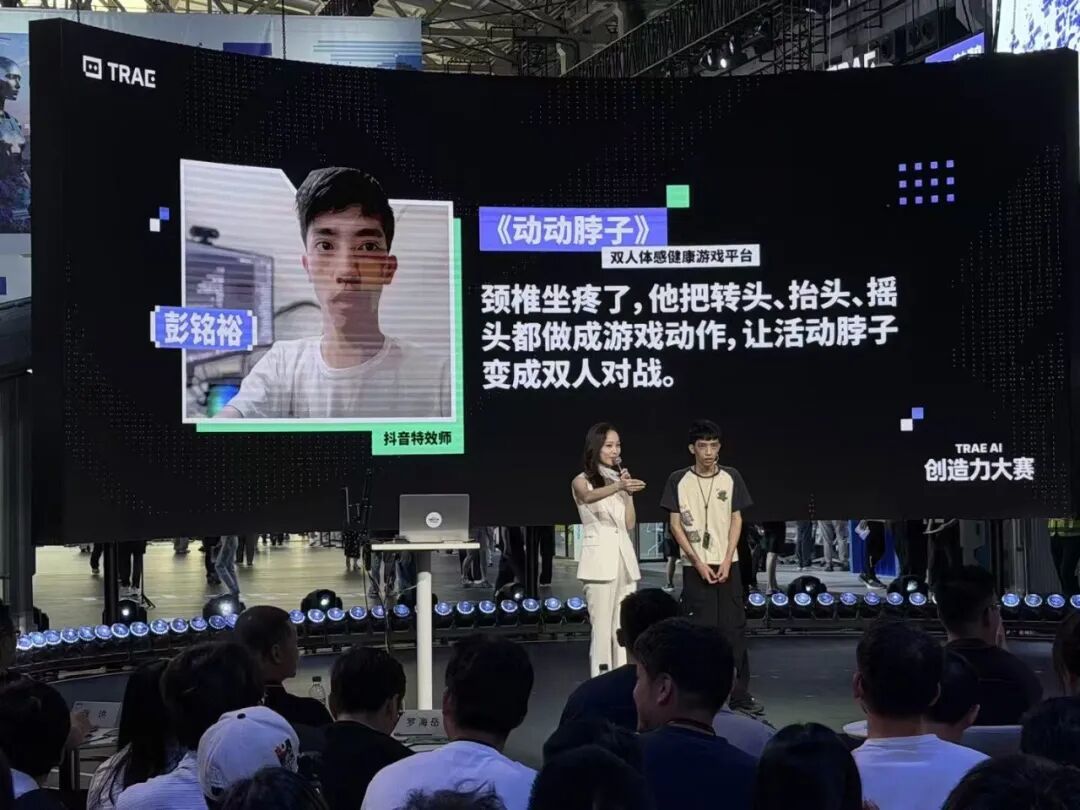 △《动动脖子》项目作者,彭铭裕如此的反转,还要从彭铭裕当保安那段时间说起。当时,他刷抖音时被各种抖音特效给吸引注了,下班后便开始自己琢磨怎么做特效。随着一点点的经验积累,也让彭铭裕从小白新手走到了高级特效师。而最直接的收获,便是副业收入比他做保安还要高;于是乎,彭铭裕索性决定辞职回家全职做抖音特效。但由于他在做特效的时候需要长期坐在电脑前面,颈椎经常会酸痛,用彭铭裕的话来说就是“每次做完特效一动脖子就啪啪响”。不过有一次他在做游戏特效时,无意间发现这类体感游戏其实是可以缓解颈椎酸痛;又恰逢看到这个AI大赛,于是便决定参加搏一把。彭铭裕做的产品叫做《动动脖子》,是一款纯网页端双人体感健康游戏平台,不用下载、不用注册,点开网页就能玩。
B | 在Top 20决赛的路演现场,彭铭裕便现场展示了具体玩法:

C | 而对于完成这一切的过程,彭铭裕在现场这样说:我相当于一个文盲,英语都不会说一句;但即便是零基础、一个人,在两个月的时间里还是把它给做出来了。不得不说,AI,真的立了大功。如此有趣且励志的一幕,便发生在TRAE AI创造力大会上;而彭铭裕所用的AI,正是TRAE。值得一提的是,这个路演,仅仅是创造力大会的一环,现场便已经是水泄不通之势,来感受一下这个feel: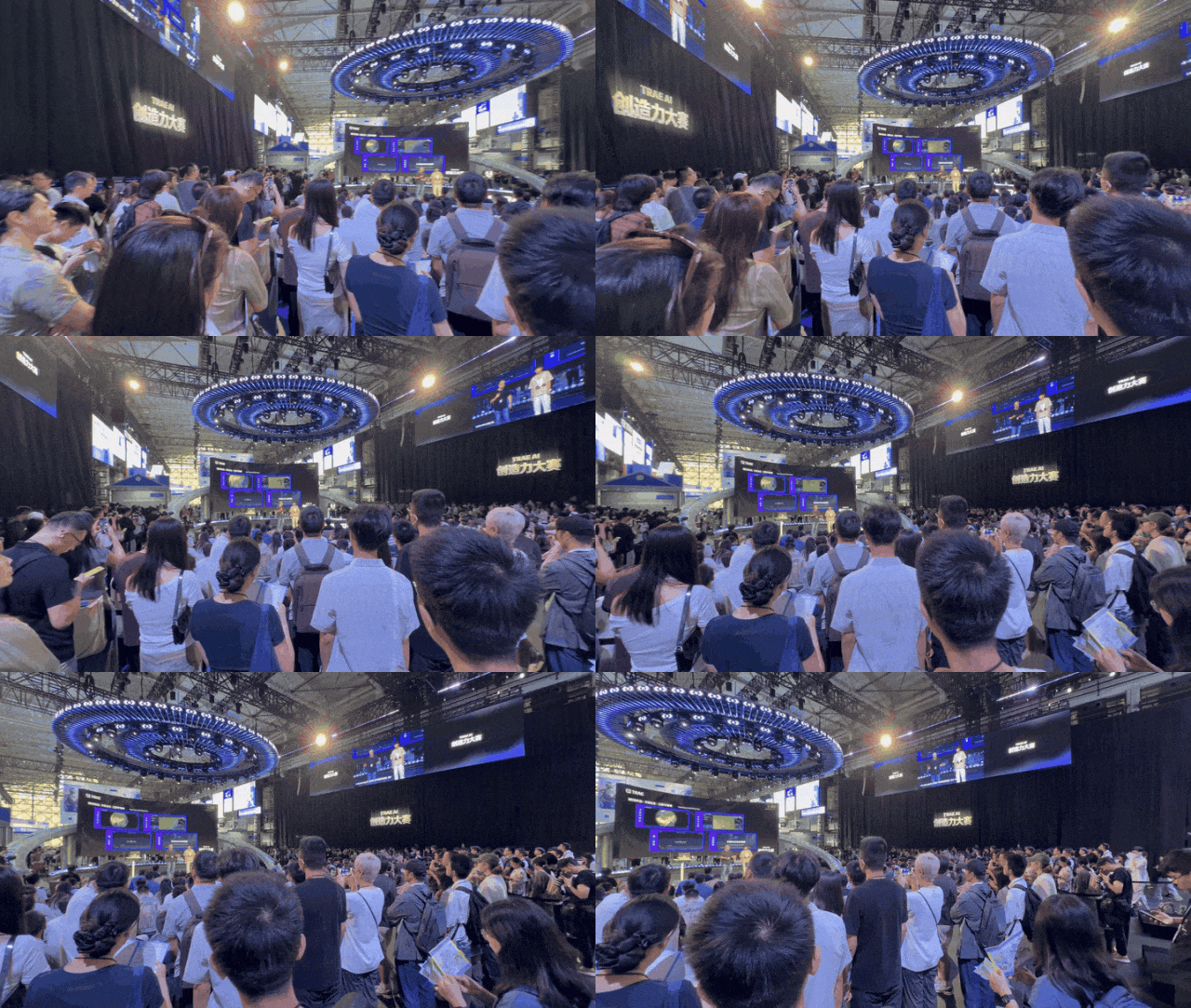 之所以会如此,是因为除了彭铭裕之外,现场还有太多有趣的选手和项目(共计3.7万人报名,从1.4W个作品挑选出Top 20):有上天的、有入地的、有造梦的、有古籍的、有音乐的、有亲子的……先简单剧透一下比赛最终成绩:第一名:《词元开物》,获30万元奖金;第二名:《动作帧MotionFrame》,获25万元奖金(亚军20万奖金+5万社会公益奖奖金);第三名:《开源太空·卫星守望者》,获10万元奖金。颁奖嘉宾更是重磅,歌手、Vibe Coder胡彦斌,影视飓风创始人Tim,宇树科技创始人 CEO/CTO 王兴兴(线上),还有教主楼天城等等。

D | 胡彦斌和Tim不仅亲自给彭铭裕颁了奖,还在现场体验了一波《动动脖子》: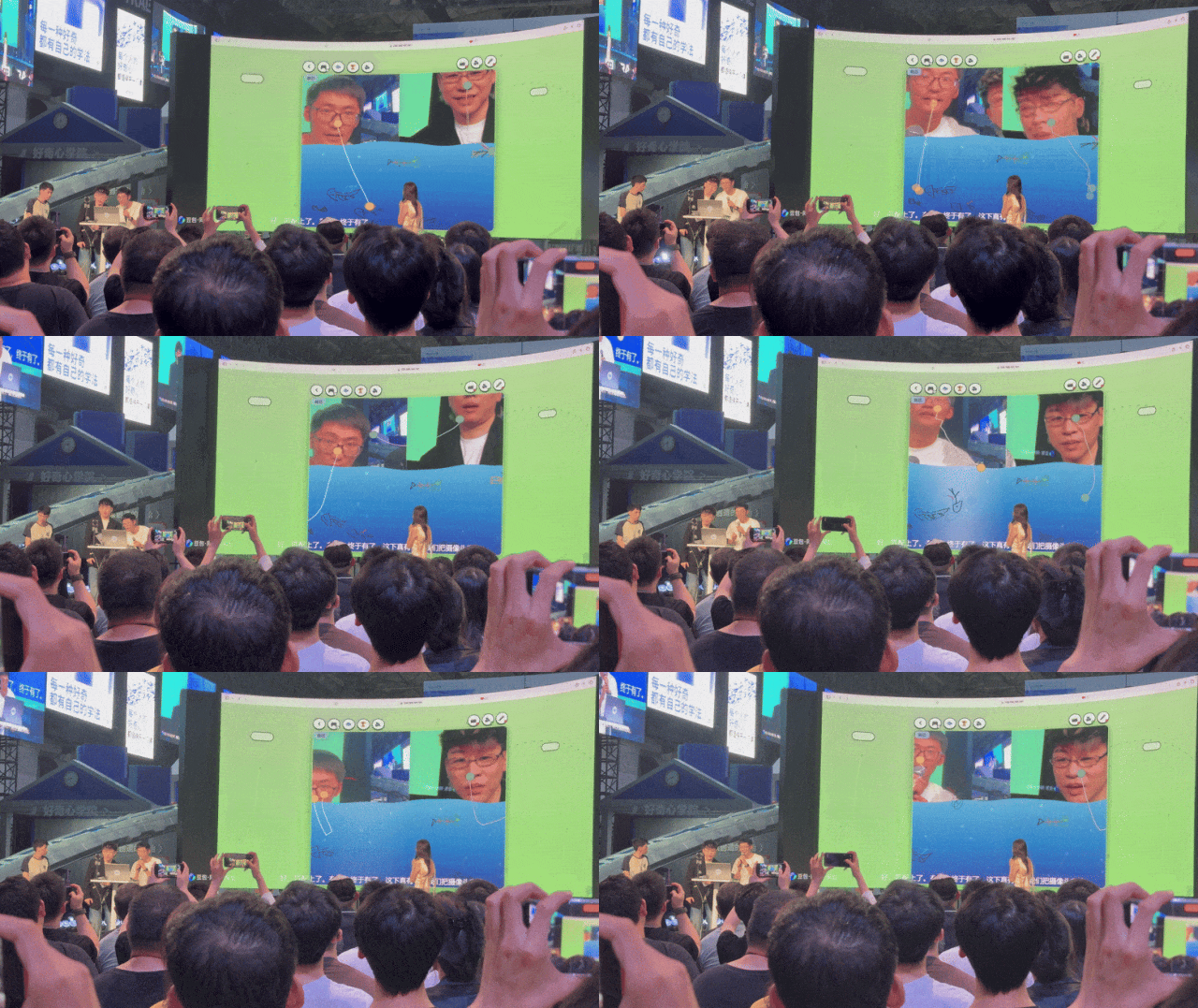 热闹,真的太热闹了。

E | 而且在热闹的背后,这场创造力大赛不仅把“人人皆可创作”体现得淋漓尽致,更重要的是让人感受到了有技术、有实力,更有温度的AI。高中生拿走了25万元大奖那么接下来,我们就来具体看下分别拿下冠、亚、季军的项目,“创造力值”到底几何。冠军:让Token走进硬件里拿下本届TRAE AI创造力大会冠军的团队,他们直接盯上了AI Coding至今一个很明显的断点:软件现在可以用说的做出来,那硬件怎么办?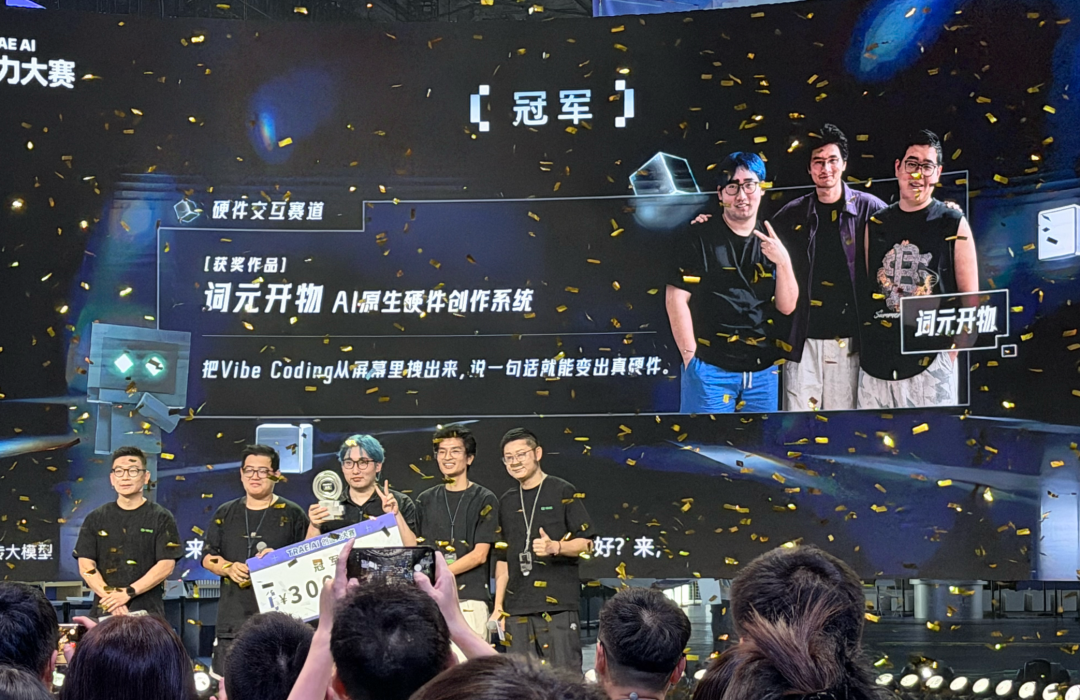 △《词元开物》项目团队,杨振宇、郑仲鹏和鹿诚龙《词元开物》的三名成员分别是杨振宇、郑仲鹏和鹿诚龙,他们都是全职创业者,一个主攻硬件,一个负责工业设计,一个做软件研发和产品落地。三个人在深圳科创学院认识后,都希望让一个没有电子、嵌入式经验的人,也能像Vibe Coding一样,只说一句自己想要什么,就把一件真正的硬件做出来。

F | 于是,他们做了一套AI硬件IDE,再配上一台桌面PCB雕刻机。比如你输入一句“给我做一个音乐键盘”,AI会先和你确认需求,再生成PRD、选择元器件、梳理引脚连接;接着自动生成代码,完成编译、烧录和仿真。确认方案能跑以后,它还能继续做PCB Layout、自动布线并生成加工文件,最后直接发给桌面机器,把电路板雕出来。初赛时,这条链路便已经跑通,但它更像一个“条件都对时能工作的Demo”。

G | 真正的变化发生在复赛。团队没有继续关起门来加功能,而是把产品直接扔给真实用户,在青少年挑战营、启航营等活动里提供软件、打板和现场支持,累计接触约500名用户。结果问题一下全冒了出来……有人不会选开发板,有人的元件资料缺引脚,有人仿真能跑、实物却接不上,还有人换一台电脑,编译环境直接崩掉。于是复赛阶段,他们开始死磕一件事,就是让AI生成的答案真的能拿去制造。元件信息不完整,就让系统停下来要求补充,避免AI猜;编译失败,要继续判断是代码、依赖还是开发板配置的问题;真实用户遇到Bug,则通过Sentry记录现场,再让TRAE读取报错上下文、定位根因并直接修复,有时候甚至省掉了人手动描述Bug这一步。最密集的一轮,他们连续近5天、每天14小时高强度开发,提交了361次Git,终于让真实用户把整套流程顺利跑完。硬件本身也在继续重做。

H | 到了决赛现场,新一代PCB机器的尺寸和重量已经缩减超过50%,加入自动找平、一次装夹加工PCB正反面等功能,还和软件做了数字孪生联动:电脑上生成完板子,可以直接控制机器加工,同时看到实时状态。8月初,他们又把这套东西带进一场青少年黑客松,一群高中生用8天时间完成了各自的硬件作品。

I | 现场展示中,还有一对母女想亲手做硬件送给别人当礼物。这大概也是“词元开物”这个名字最直观的解释——让AI里的词元(Token),最后真的变成一件能摸得到的东西。除此之外,在颁奖现场,Tim还用一双轮滑鞋演示了《词元开物》,让气球人表演了一波劈叉:
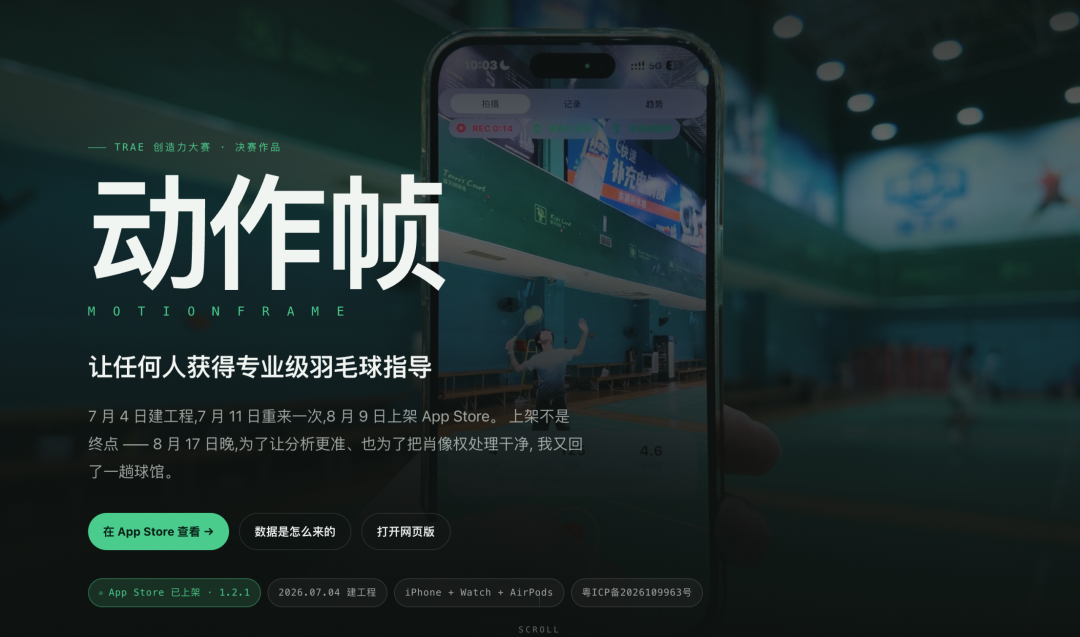
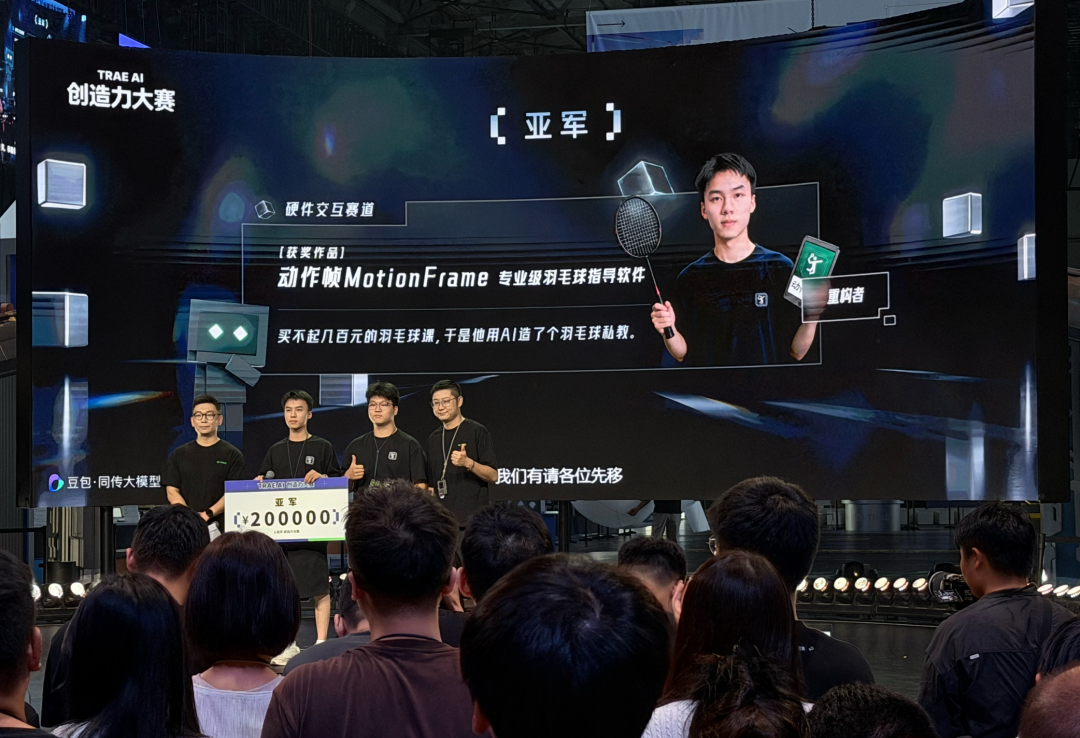 △《动作帧》项目作者之一,Kyle他和队友(小粥)都来自广东中山,也都喜欢打羽毛球,虽然二人都想把球给打好,但请教练着实是太贵了。他们实际问过,一小时教练课360元,再加100元场地费,而Kyle当时兜里只剩200块。而且就算有教练在旁边提醒“不转体”、“击球点太低”,下场之后还是容易照旧,因为打球的人很难看到自己。于是今年7月11日晚,Kyle建起工程,想做一个能真正看着自己打球的AI教练。初赛时,动作帧还只是个能识别挥拍、给出建议的Demo。不过到了复赛,Kyle一度想搞多机位、三维重建和机构专业版,写了几天后发现方向跑偏,索性把代码全部封存。随后三天,他泡在羽毛球基地,跟着教练和球员反复拍摄、校准动作。导师又追问“用户凭什么相信AI”,他干脆重新找专业教练,把标准动作和常见错误都拍下来,让AI的判断有真实样本可对照。最终,复赛版串起了iPhone、Apple Watch和AirPods:手机负责逐帧分析肘角、击球点和挥拍速度,手表采集动作和心率,耳机则在组间休息时直接把问题说给你听;整套系统还加入12节课程、100套训练方法和110种常见错误示例。
J | 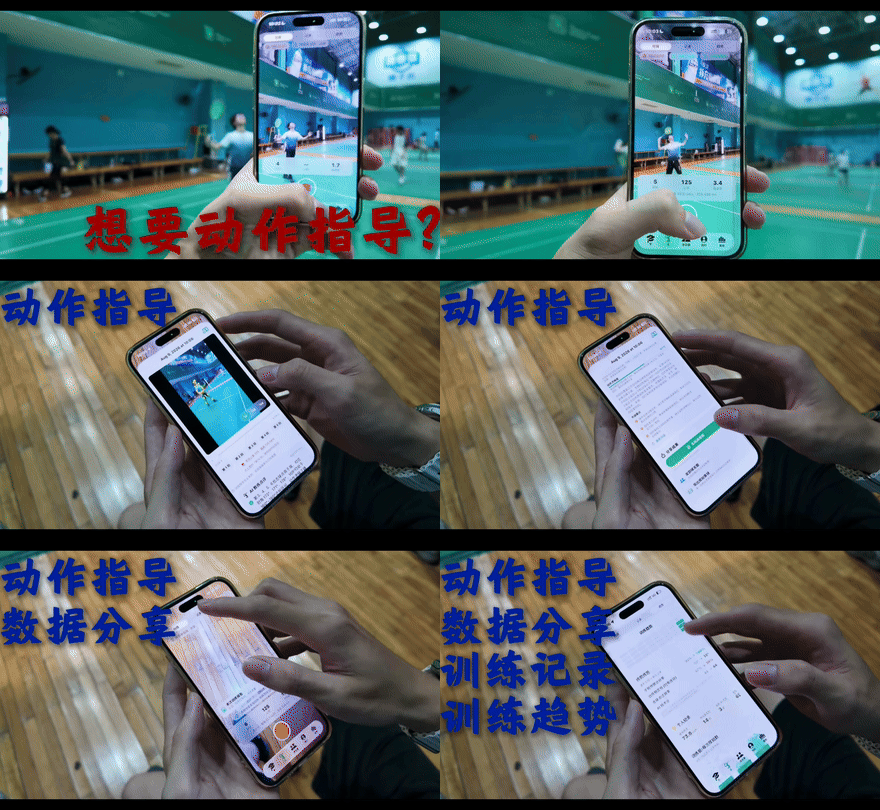 开发上,Kyle负责定方向、做取舍和真机验证,TRAE负责把想清楚的需求变成代码。软件需要上百张动作配图时,TRAE几个小时就批量生成完成;一次实测发现9个问题后,又在2小时54分钟内完成修复、编译和逐项验证。一个月后,《动作帧》甚至直接通过Apple审核正式上架;在决赛现场,Kyle说产品上线10天已经冲到热门榜第22名!
 季军:父子兵,齐上阵拿到这次AI大赛季军的选手,是一对父子,他们直接把项目做到了太空。
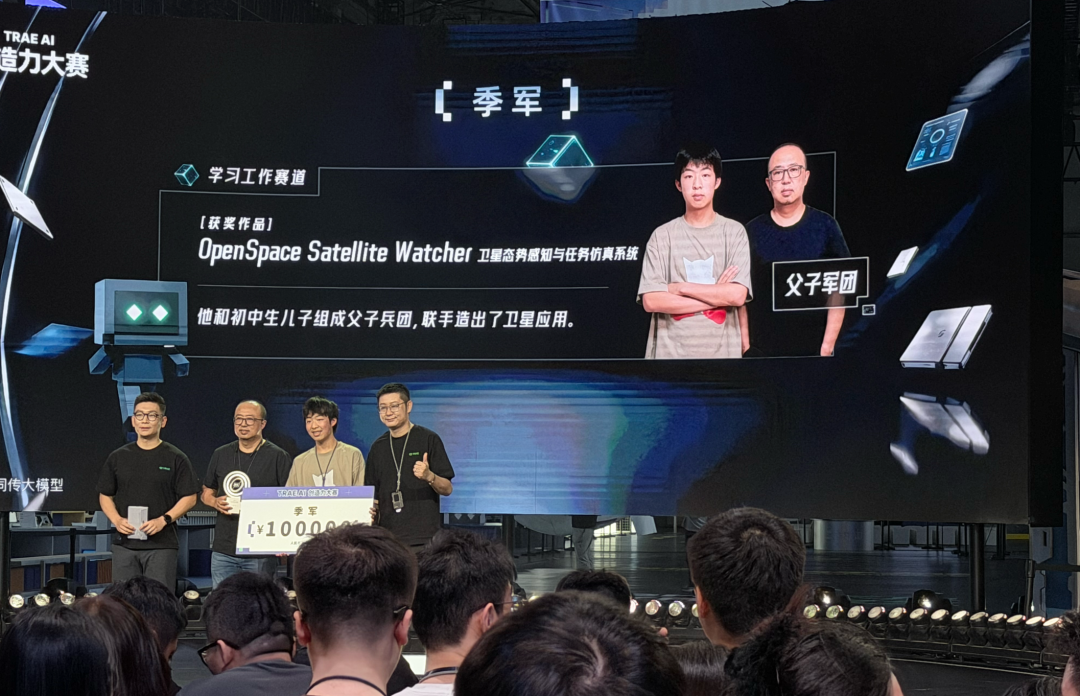 △《开源太空·卫星守望者》项目作者,谭谈和其初二儿子这个项目名为《开源太空·卫星守望者》,父亲叫做谭谈,已经40岁。此前他一直在互联网大厂做解决方案,被“毕业”后才在今年进入航天行业;他的搭档更特别,是还在读初中的儿子波波。父子俩一个负责整体规划和开发,一个负责搜集卫星资料、模型,顺便充当老爸的产品经理。刚进入航天行业时,谭谈就发现,这个领域的专业软件门槛很高。于是在7月7日报名比赛时,他给自己定了个挺硬核的目标:借TRAE做一套卫星态势感知和任务仿真软件。第二天,他直接用自然语言把系统目标、数据源和技术方案讲给TRAE,让它先生成完整开发任务书,再交给TRAE继续往下写。第一次完整跑完开发任务只用了4个多小时,项目空间里的代码已经做到1.63GB。之后父子俩再一边测试、一边往回扔问题,解决3D贴图、模型兼容、服务器部署等问题,三天后就有了初赛版本。

K | 但那时候,它还主要停留在看卫星,也就是把真实轨道数据放到3D地球上,显示卫星此刻在哪、接下来往哪飞。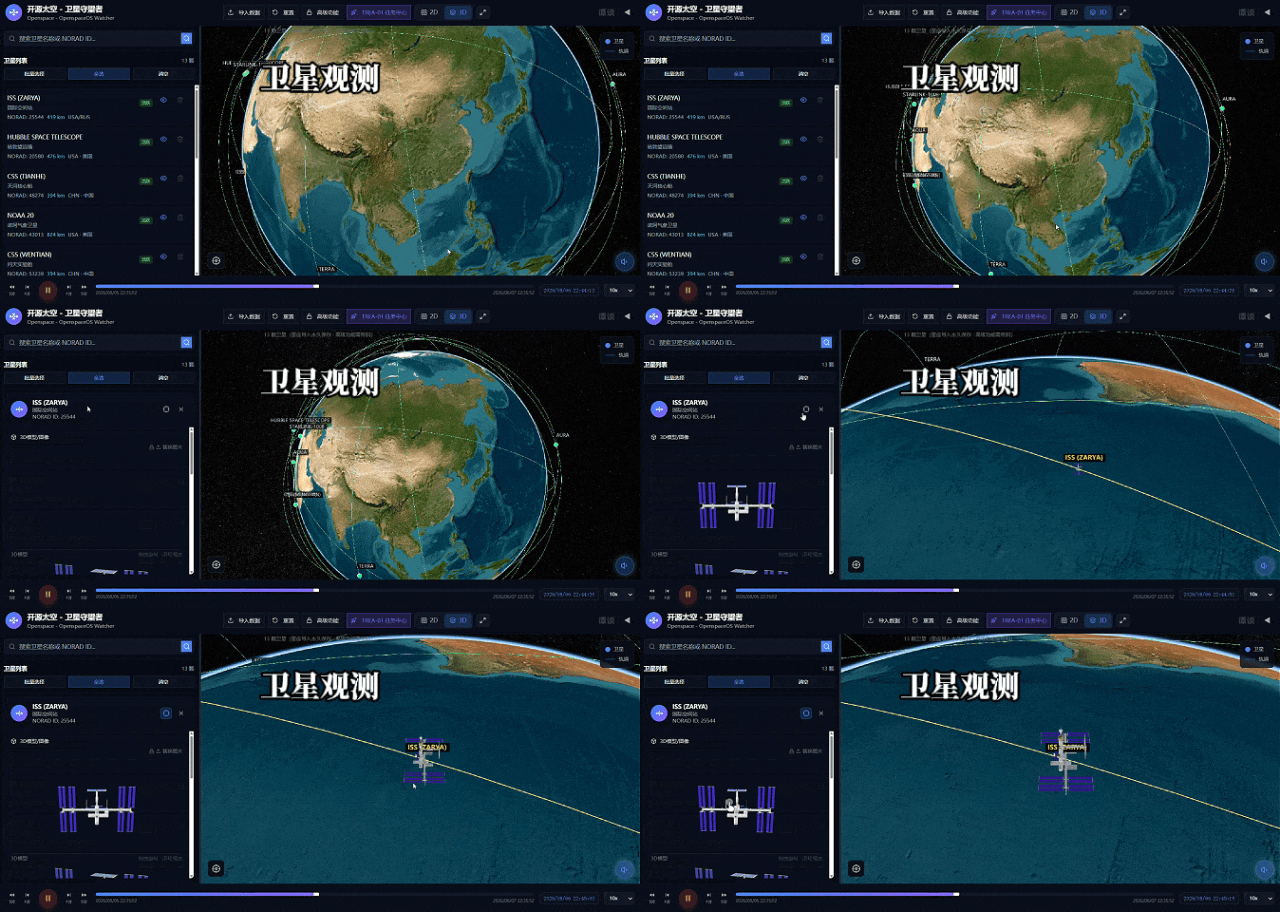 而到了复赛阶段,谭谈开始让它真正管卫星。新版本不仅加入国产AOE轨道数据和更多卫星3D模型,还做出了一个虚拟的“TREA-01”卫星任务中心。用户可以给卫星安排遥感任务,AI自动计算合适的任务窗口;遇到太空碎片接近,还会触发预警,生成躲避方案,再把整个任务过程回放出来。

L | 甚至还加了第一视角驾驶舱——屏幕上的视角直接来到卫星旁边,看着脚下地球明暗交替,体验“自己就是一颗卫星”。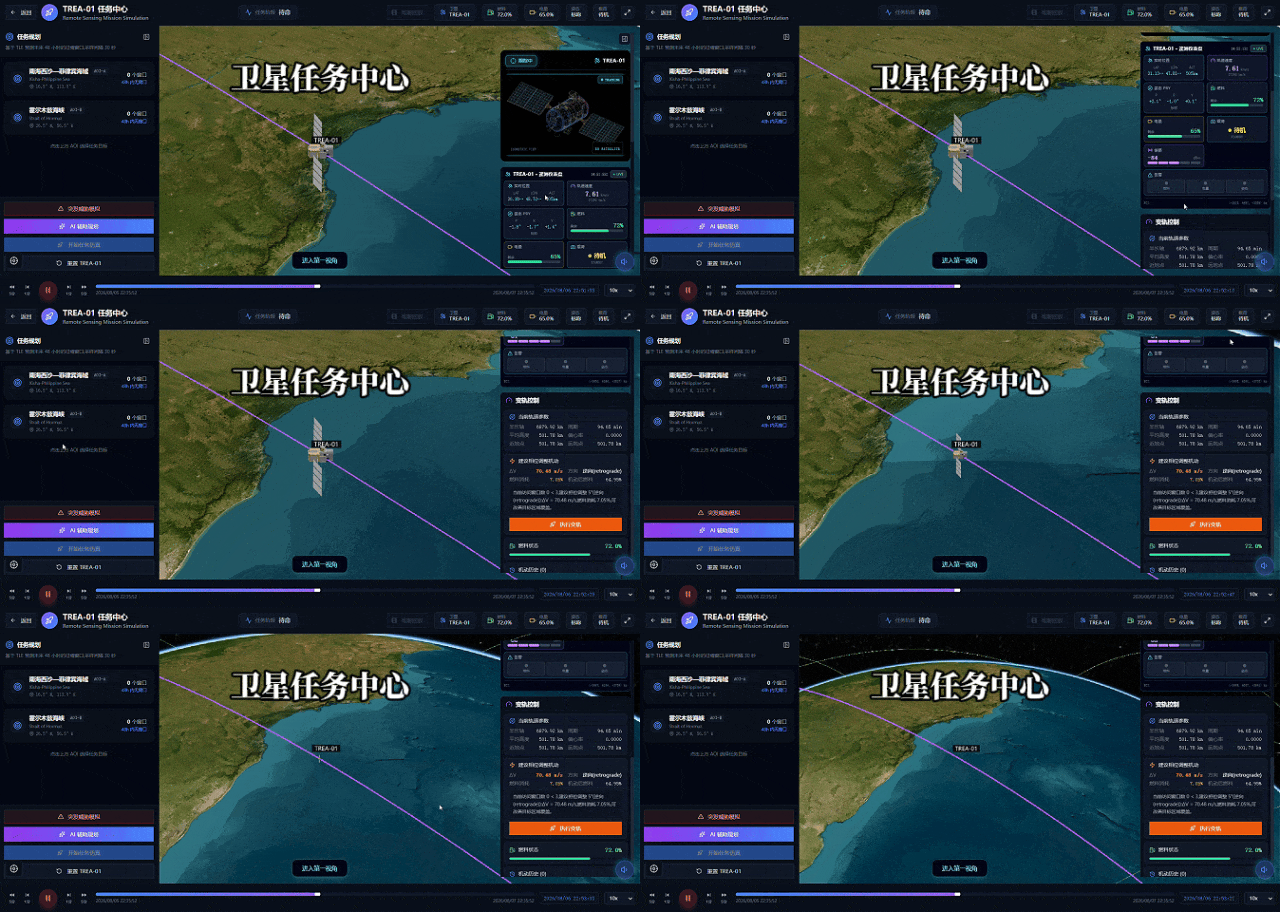 复赛开发也一路在改。

M | 7月24日晋级后,谭谈先修Bug、补数据库同步,随后几天又让TRAE生成新的测运控开发文档,继续加入遥感任务编排、AI任务规划、报告导出和任务回放。
N | 有些原本计划好的方案实际效果不好,比如卫星避障的表现形式,他也直接舍掉重来。到了决赛现场,父子俩把分工说得更直白:爸爸是“架构师+码农”,儿子负责搜资料、挑毛病,再时不时塞进去几个新点子。

o | 而谭谈真正想做的,其实还不止这一个软件。

p | 他希望比赛结束后把这些能力逐步开源,让更多人能用更低的门槛接触航天软件、理解卫星,甚至一起参与完善这套“开源太空”体系。还有直接造梦的还有一组选手,干脆把做梦做成了一款App。梦迹DreamTrace项目的队长李一璇还是一名大学生。她做这个产品,起因就是自己曾梦见去看偶像演唱会,不仅拿到亲签,还一起合了影。醒来以后兴奋劲还在,梦里的细节却会一点点消失,她便一直想做个能把梦保存下来的工具。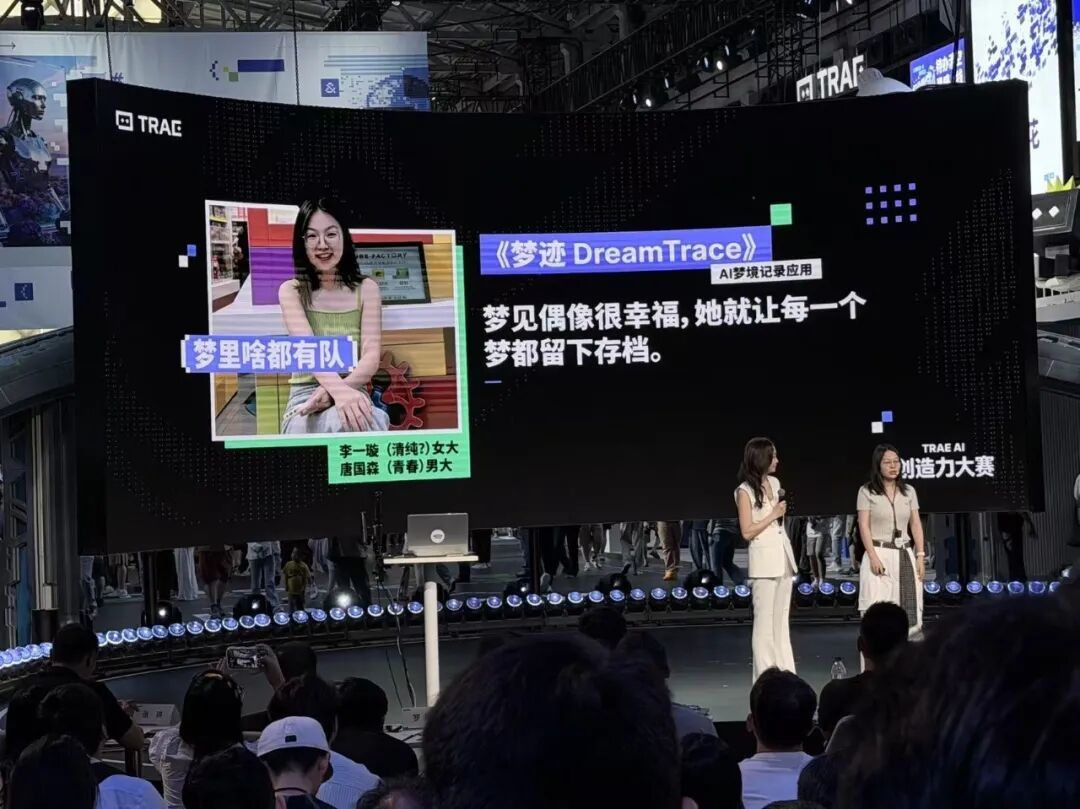 到了这次比赛,她和21岁的队友组了个“梦里啥都有”队。

q | 李一璇在现场开玩笑总结两人的分工:“我负责做梦,他负责帮我把梦做成。”初赛时,梦迹还只是一个以页面展示为主的Demo。到了复赛,在TRAE的辅助下,团队把后端和数据能力补齐,又把AI解梦、AI画梦、现实关联、梦境故事等能力串了起来。用户刚醒来,可以直接用语音把梦说下来;之后AI能把文字重新画出来,也能把一段时间里的梦境和现实经历放到一起找线索,甚至继续生成小说和绘本。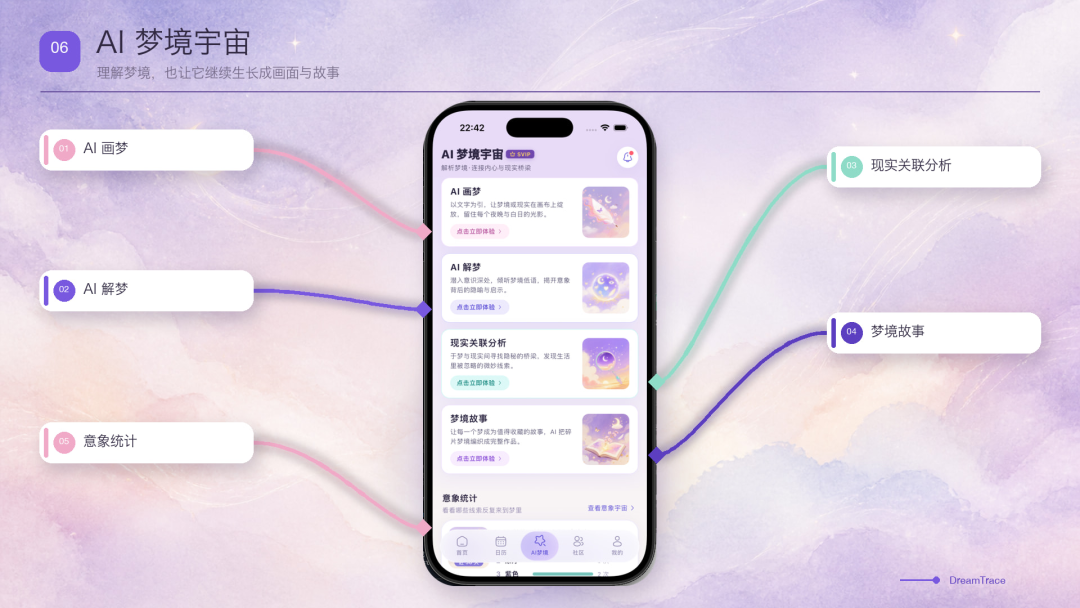 最后这些梦还能被发到社区。相比点赞,梦迹专门设计了一个更有意思的按钮——“也梦到过”。一个本来醒来几分钟就可能消失的梦,就这样被记录下来,还能找到另一个做过相似梦的人。不得不说,这些项目真的太有创意、太有意思了。为什么TRAE能让人人都编程?在看完前面这些选手和项目后,我们不难发现他们身上的一个共同点——地质系学生、刚下岗的UI设计师、高中生,甚至那位自称“文盲”的前保安……这里面相当一部分人,过去压根就不属于传统意义上的程序员群体。但他们最后拿出来的,又都不只是几张能看的Demo。他们都是拿着TRAE,有人做出了能上真机跑的地质建模工具、有人把产品送进了App Store,还有人已经开始找真实用户测试。

r | 而这事在当下能发生,或多或少也离不开TRAE这两年本身的变化。2025年初刚上线时,它还更接近一款AI IDE,AI主要待在开发环境里帮人写代码、改代码。

s | 半年后SOLO出现,事情开始有了明显变化——用户只需要给出一个目标,AI就可以继续往下拆任务、读项目、调用工具,再一步步把事情做完。此时,TRAE解决的已经不只是“这段代码怎么写”,而是“这个东西怎么做出来”。再加上Skills、Rules、MCP、自定义智能体、Plan和Spec这些能力逐步补齐,现在很多开发任务已经变成,你只需要把想法和约束讲清楚,AI自己规划、调用工具、修改文件、跑命令,再把结果交回来验收。所以回头看这段演进,值得注意的其实不是名字换了几次、入口多了几个,而是把原本需要人亲手完成的开发步骤,一点点交给AI。当然,这并不意味着做产品突然变简单了。

t | 只是以前最先卡住人的,往往是“我不会写”;现在真正难的,越来越变成“我到底要做什么”、“哪里做得不对”、“接下来该怎么改”。换句话说,代码这道门槛正在往后退,对问题的理解、判断和取舍,反而被推到了更前面。AI比赛,现在不能只拼技术了这也是看完整场比赛之后,一个很明显的感受。AI Coding发展到今天,单纯“帮你写一段代码”已经越来越接近基础能力。真正拉开作品差距的,开始往代码之前移动。《词元开物》团队首先得知道现在AI时代的硬件底缺什么;Kyle得真的花钱问过羽毛球教练,才知道一个高中生想获得专业指导有多贵;李一璇想把自己做过的梦里的故事继续延续下去……这些问题,AI自己不会凭空发现。等问题找到了,接下来才轮到怎么把需求拆清楚、怎么判断AI做得对不对、出了Bug怎么测、方向跑偏了敢不敢把已经写好的东西推倒重来。也因此,回头看这届比赛,技术依然决定一个产品能不能跑起来,但创造力开始更多决定它为什么值得被做出来。

u | 所以未来未必人人都要成为程序员。但一个老师可以给自己的学生做工具,一个家长可以围绕孩子的需求做应用,一个普通人也可以因为生活里某个反复折磨自己的小问题,临时给自己“造”一件软件。当制造软件的能力开始下放,真正稀缺的东西,反而重新回到了人身上——你有没有认真生活,有没有发现那个值得解决的问题,又愿不愿意真的动手把它解决。这大概也是3.7万人跑来参加这场比赛,最值得关注的地方。所以,你有什么一直想做、但过去觉得“我又不会编程”的点子吗?不妨,来TRAE一下。
Current article:http://xia0s.yepenchunshouzuiwai.shop/news/20260826_461.html
Published on:05:47:14


 创业板指半日跌超1% 零售板块逆市领涨_标的_结构
 与台风“巴威”相比有何差异,省气象局详解“白海豚”——降雨强度更大 滞留时间更长
 中国669个气象站现大暴雨 北方雨势猛烈
 前7月全国完成交通固定资产投资1.8万亿元
 青海新能源发电量占比首次超50%
 NBA“大地震”!骑士狂砸8800万签“掘金战神”,联盟格局又变了